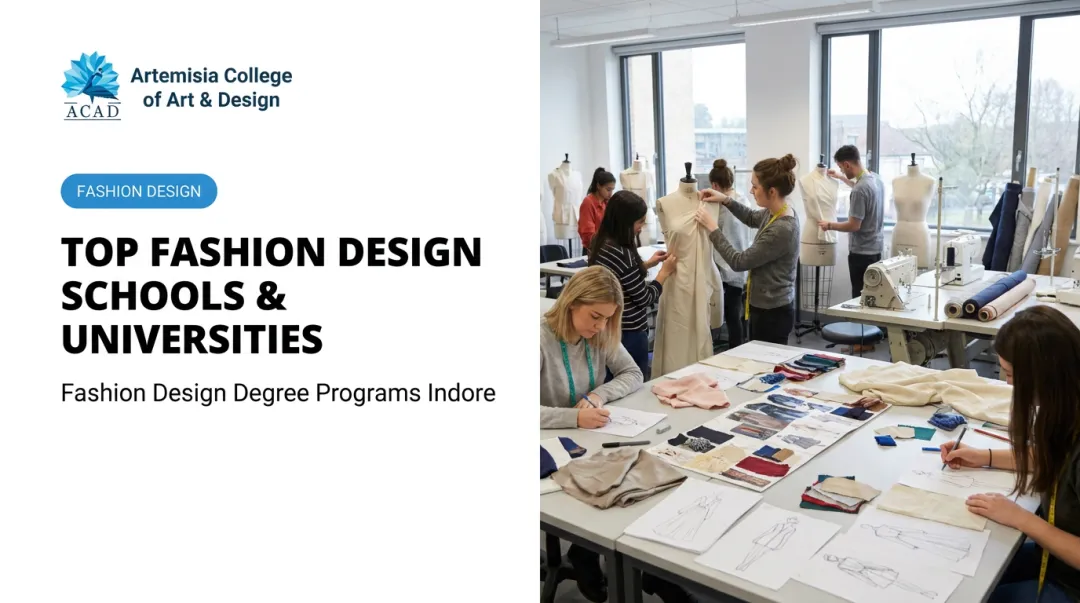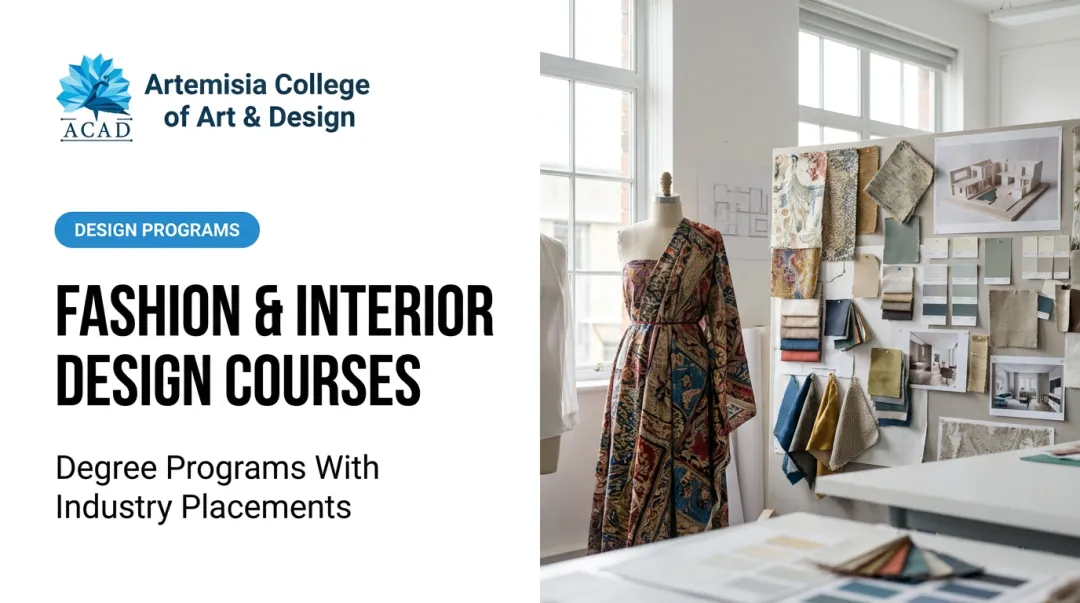

You're not imagining the barrier. A 2024 British Fashion Council survey found that people from lower socioeconomic backgrounds reported a 14 percentage-point gap in feeling they had equal access to opportunities compared to their peers. Fashion's reputation for running on referrals and unpaid internships is real, but it isn't the whole story.
This guide breaks down exactly how beginners without insider connections land their first fashion job: finding the right niche, building proof of skill from scratch, gaining hands-on experience fast, and networking your way in.
Key Takeaways
- Fashion careers extend beyond design into styling, buying, retail, marketing, and content creation
- A self-made portfolio, Instagram, or blog can replace formal experience for first roles
- Internships, retail jobs, and event volunteering offer the fastest low-barrier entry routes
- Structured fashion education with placement support fast-tracks your path into the industry
Explore Fashion Career Paths & Find Your Fit
Fashion isn't just runway design. It's a whole ecosystem, and design might not even be where you'll thrive.
Beyond Design: The Fashion Career Map
The industry runs on several parallel tracks:
- Design: sketching, researching trends, and developing garments from concept to sample
- Styling: building outfits and visual narratives for shoots, shows, or clients
- Buying and merchandising: selecting what sells, negotiating with suppliers, tracking stock
- Marketing and PR: managing brand image, campaigns, and press relationships
- Retail: the customer-facing frontline of every fashion brand
- Visual merchandising: designing store displays and layouts that drive sales
- Fashion journalism and content: writing, photographing, and reporting on the industry

Each track rewards different strengths, so your first move should be figuring out which one actually fits you.
Entry-Level Roles to Target First
You don't need a fancy title to get started. Common beginner-friendly roles include:
- Assistant stylist
- Showroom assistant
- Junior designer
- Retail associate
- Social media or content coordinator
These jobs exist because brands need extra hands, and none of them demand five years of experience.
Test-Drive Before You Commit
Don't assume you know which track suits you until you've tried it. Plenty of aspiring designers intern at a design house expecting to love sketching. Instead, they discover they're far more drawn to the editorial side: the mood boards, the shoot days, the storytelling. That realization often means pivoting to styling instead.
Before committing to a path, try to shadow or informally interview people in two or three roles. A short internship, or even a 20-minute conversation, can save you years of chasing the wrong dream.
Employers are also increasingly drawn to hybrid profiles: creatives who understand trends but also grasp business basics, digital tools, and customer data. Structured programs like Artemisia College's fashion design courses build this hybrid skill set while connecting students to industry names such as Anita Dongre, Tarun Tahiliani, and Arvind Fashions through a dedicated placement cell. If a dedicated fashion degree isn't accessible where you live, a related major in design, business, communications, or marketing builds that same commercial fluency.
Build a Portfolio & Skills With Zero Industry Experience
Recruiters rarely care about your resume when you're starting out. What convinces them is proof you can do the work, and that's exactly what a portfolio delivers. This holds true worldwide, including in India's growing design industry: the US Bureau of Labor Statistics notes that fashion employers rely heavily on portfolios to judge a candidate's style and creative ability, often more than formal credentials.
Start With What You Already Have
You don't need a client or a brand behind you to start building proof of skill:
- Style your own outfit photos and shoot them properly
- Create mood boards around a theme or season
- Put together flat lays of garments or accessories
- Write short trend write-ups on what you're spotting on the street or runway

None of this requires permission. It just requires consistency.
Go Public With Your Point of View
Treat Instagram, TikTok, or Pinterest as a living portfolio. Post consistently, curate carefully, and let a clear point of view emerge. Recruiters scroll profiles before they read resumes.
Starting a blog, YouTube channel, or newsletter takes this further. It proves you can think critically about fashion, not just admire it from the sidelines. Bloggers once dismissed as hobbyists are now regularly invited to fashion weeks and brand collaborations. Once you have a distinct voice, visibility follows.
Add Technical Skills Self-Study Can't Replace
Some skills are hard to fake without formal training:
- Sketching and fashion illustration
- Pattern making and garment construction
- Textile knowledge
- Design software such as Adobe Illustrator
A short foundational course in any of these, such as the certificate and diploma programs at Artemisia College of Art & Design, adds tangible proof to your portfolio that scrolling Pinterest never will.
What recruiters screen for without direct experience: communication, attention to detail, adaptability, digital literacy, and problem-solving. Show these through how you present your portfolio, not just what's inside it.
Gain Real-World Experience Fast
Reading about fashion careers only gets you so far. At some point, you need real reps, and there are more low-barrier ways to get them than most beginners realise.
Internships Still Open the Most Doors
Internships, paid or unpaid, remain the fastest way into the industry. Designers often start this way, learning textiles, colour theory, and how an entire design process runs. Find them through:
- Industry-specific job boards
- Your school's career centre
- Direct outreach to brands you admire, even without a posted opening
Colleges with dedicated placement cells, like Artemisia College's, often give students a head start here, bringing hiring brands directly to campus for interviews rather than leaving outreach entirely to chance.
Retail Jobs Teach What Classrooms Can't
Don't underestimate a seasonal retail job at a fashion brand. It builds customer service instincts, exposes you to visual merchandising in real time, and sharpens trend literacy, all things recruiters explicitly value later. Many buyers and merchandisers start exactly this way, on the shop floor, before moving into buying offices.
Volunteer, Freelance, and Build Credits
- Volunteer backstage or as a runner at a local fashion week or student show for fast, hands-on exposure
- Freelance as a writer, photographer, or content creator for online fashion publications while you're still studying
- Every published byline or credited shoot becomes usable portfolio proof

Location Still Helps, But It's Not Mandatory
Spending time in a fashion hub multiplies your chances of meeting the right people. That said, fashion work has grown more hybrid. Plenty of marketing, content, and even buying roles now operate remotely. Don't let your location be the excuse that stops you from starting.
Network Your Way Into the Industry
You don't need a rich contact book to start networking. You need consistency and a bit of nerve.
Start simple: tell everyone in your circle—friends, family, old classmates—that you're pursuing fashion. Opportunities travel through word of mouth more than people admit.
Then push further: send a genuine, specific cold email to a professional whose work you admire. Generic asks get ignored; specific, well-researched ones get replies.
That same specificity extends to referrals, which carry even more weight than cold outreach alone. A 2025 SHRM analysis found that roughly 1 in 10 employee referrals resulted in a hire, compared with job boards, where employers often need 50 to 60 applicants to fill a single role. That gap is exactly why even a small network pays off.
Low-cost tactics that work:
- Connect with assistants and entry-level professionals on LinkedIn (they're more responsive than senior executives)
- Join fashion-focused Facebook groups or Discord communities
- Attend local industry panels, trade shows, or meetups
Make every conversation count:
- Research the person beforehand
- Ask thoughtful, specific questions
- Exchange contact information before you part
- Follow up within a few days, not weeks
Why Formal Fashion Education Gives You an Edge
Everything above works, but piecing it together alone takes time. Structured fashion education compresses that timeline by bundling technical training, portfolio-building, and industry access into one guided path.
Artemisia College of Art & Design runs Fashion Design programmes at two levels. The one-year Certificate covers textiles, garment construction, and illustration, while the two-year Diploma adds entrepreneurship, visual merchandising, and Adobe Illustrator training.
This progression mirrors exactly what beginners need: craft skills first, then the commercial and software skills studios expect.
What makes the real difference is the Placement Cell. Rather than cold-emailing brands one by one, students get introduced to recruiters directly. Hiring partnerships span:
- Luxury design houses: Anita Dongre, Tarun Tahiliani
- Retail names: Superdry, Raymond
- International labels: Armani, Arvind Fashions
The support doesn't stop at introductions. Students receive:
- Portfolio finalisation and CV support
- Mock interviews and one-on-one mentoring
- Guidance on which companies to target
- Help with offer evaluation once interviews convert

Superdry's own store manager, Anubhav Pancholia, described Artemisia students as "energetic, enthusiastic & dedicated towards the work... task driven, take lead in challenges and eager to learn new things."
That kind of drive shows up in the numbers. Starting salaries for fresh graduates placed through this route typically range from ₹15,000 to ₹40,000 a month, climbing with experience. This kind of structured access matters most if you're not based in Mumbai or Delhi. A placement cell that brings the industry to a smaller city does the networking legwork that beginners elsewhere have to build from scratch.
Getting In Without Contacts
Fashion is a network industry, which is difficult if you do not have one. What substitutes for contacts is demonstrable ability: garments you made, patterns you drafted, a portfolio that shows construction and not only illustration.
Artemisia College of Art & Design builds that portfolio deliberately, teaching illustration, pattern making and garment construction from certificate level and advancing into creative pattern making, surface design, visual merchandising and entrepreneurship. Artemisia College also puts fashion design students on real-world projects for which they are paid, so the work develops against live constraints rather than hypothetical briefs. A dedicated placement cell supports internships and placement.
Conclusion
Make things and photograph them properly. Finished garments open doors that a CV cannot.
Artemisia College runs fashion design at three levels: the one-year Certificate in Fashion Design, the two-year Diploma in Fashion Design, and the four-year B.Design in Fashion Design. Certificate and Diploma entry is direct with 10+2 in any stream; the degree is through the ACAD Entrance Test or portfolio-based early admission.
Frequently Asked Questions
How can I get into the fashion industry with no experience?
Start by identifying a niche, building a self-made portfolio, and gaining exposure through internships, retail jobs, or volunteering before formal roles open up.
What are 5 careers in the fashion industry?
Fashion design, styling, buying/merchandising, marketing/PR, and retail/visual merchandising are five established paths, each with distinct entry routes and skill requirements.
Do I need a fashion degree to get a job in fashion?
No, a degree isn't mandatory for most roles, but structured courses, strong portfolios, and internships improve your chances, especially for design-focused positions.
What is the best entry-level job to start a fashion career?
Retail associate, styling assistant, and showroom assistant roles are the most common, lowest-barrier starting points, and each can lead into more specialised tracks over time.
How long does it take to break into the fashion industry?
Timelines vary widely, from a few months to a couple of years, depending on how consistently you network, build your portfolio, and pursue training.
Can I learn fashion skills online without attending a college programme?
Online courses and self-study build foundational skills, but structured programmes, like the fashion design courses at Artemisia College, offer faster skill development plus direct industry placement access that's harder to replicate alone.